
Engaging with the intricate world of plant biology can evoke a profound sense of wonder. One captivating aspect of this realm is the exploration of plant cells, which serve as the fundamental units of life for all flora. A “Plant Cell Color Page” provides both a fun and educational opportunity, enabling enthusiasts of all ages to delve into the microscopic architecture that supports plant life.
Understanding the Structure
At first glance, a plant cell appears remarkably similar to animal cells; however, a closer examination reveals distinct characteristics. The presence of a robust cell wall grants plants structural integrity, allowing them to withstand various environmental challenges. Additionally, chloroplasts, the sites of photosynthesis, not only contain chlorophyll—which imparts the verdant hue—but also encapsulate the magic of energy conversion: sunlight transformed into sustenance.
Diving Deeper: The Chlorophyll Connection
The vibrant green of leaves is a testament to the chlorophyll contained within chloroplasts. This pigment not only captivates the eye but also plays a pivotal role in the photosynthetic process. During this phenomenon, sunlight, carbon dioxide, and water come together to nourish the plant, highlighting the symbiotic relationship between flora and their environment. The enchanting cycle of growth, fueled by sunlight, continues to inspire awe in botany enthusiasts and casual observers alike.
Functional Diversity of Plant Cells
Not all plant cells are created equal; they exhibit a fascinating diversity tailored to their specific functions. Parenchyma cells, for instance, play crucial roles in storage, photosynthesis, and tissue repair. Meanwhile, sclerenchyma cells provide mechanical support through their hardened structures, ensuring plants maintain stability amidst the whims of nature. Understanding these cellular differences adds layers to our appreciation of plants as adaptive organisms.
In conclusion, a Plant Cell Color Page serves as an artistic medium through which one can explore the profound details of plant life. Diving into the complexities of plant cells not only enriches knowledge but also fosters a deeper connection to the verdant world surrounding us. Through creativity and curiosity, the exploration of plant cells transforms from a simple observation into a multifaceted appreciation of life itself.
If you are looking for 5 facts you didn't know about plants – Cottage Life you’ve came to the right web. We have 10 Images about 5 facts you didn't know about plants – Cottage Life like What are Plants, Plant Parts and also Frontiers in Plant Science | Plant Breeding. Here you go:
5 Facts You Didn't Know About Plants – Cottage Life

cottagelife.com
5 facts you didn't know about plants – Cottage Life
Year 2 Science Unit: Lesson Plans On Plants And Plant Growth
www.kapowprimary.com
Year 2 Science Unit: Lesson Plans On Plants And Plant Growth
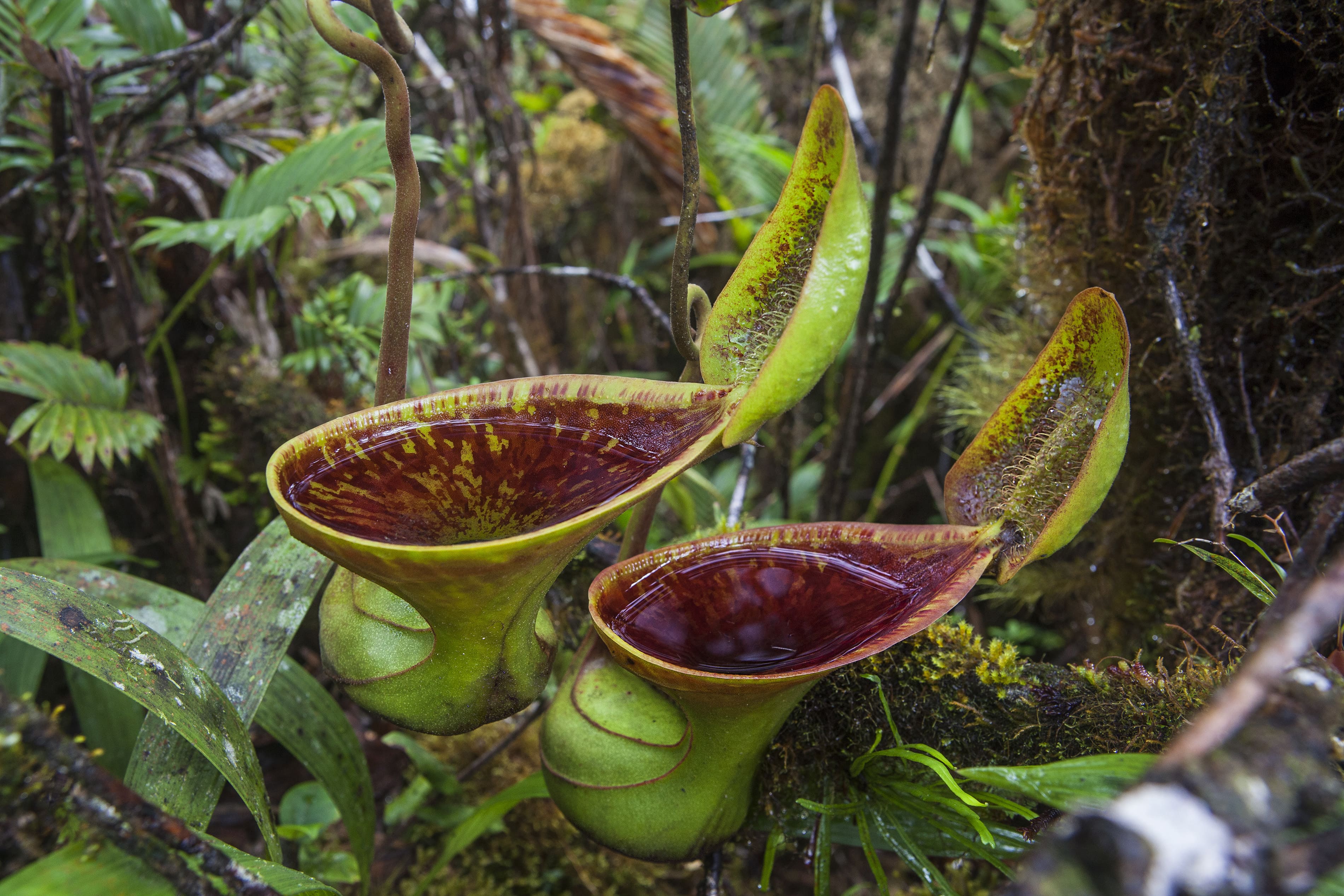
Carnivorous Plants | Royal Botanic Gardens Victoria
www.rbg.vic.gov.au
Carnivorous plants | Royal Botanic Gardens Victoria
Frontiers In Plant Science | Plant Breeding

www.frontiersin.org
Frontiers in Plant Science | Plant Breeding
What Are Plants

watchandlearn.scholastic.com
What are Plants
Unit 5: Plant Form And Function (28-31)

bfrankbio.weebly.com
Unit 5: Plant Form and Function (28-31)
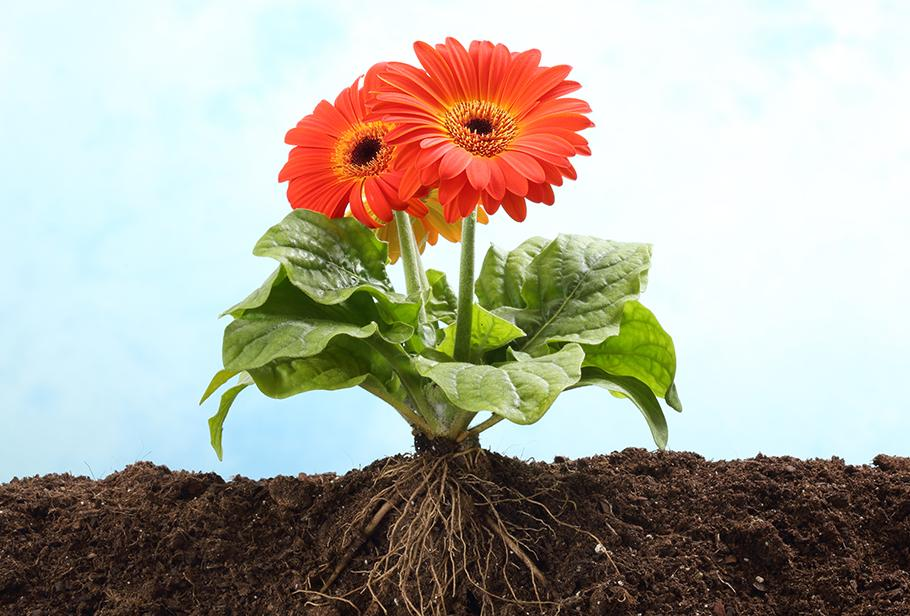
Plant Parts
ar.inspiredpencil.com
Plant Parts
Ultimate Plant Guide: Tips To Keep Your Houseplants Alive

www.goodhousekeeping.com
Ultimate Plant Guide: Tips to Keep Your Houseplants Alive
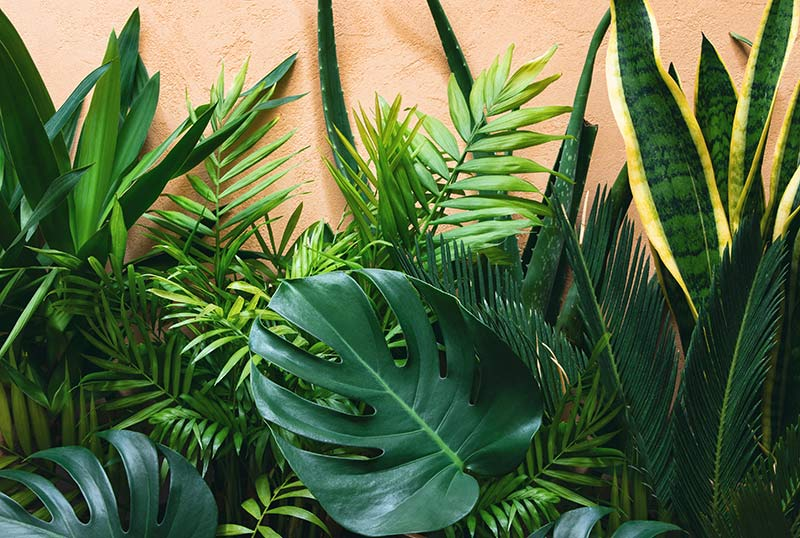
Plants Facts | Olympiad Tester
olympiadtester.in
Plants facts | Olympiad tester
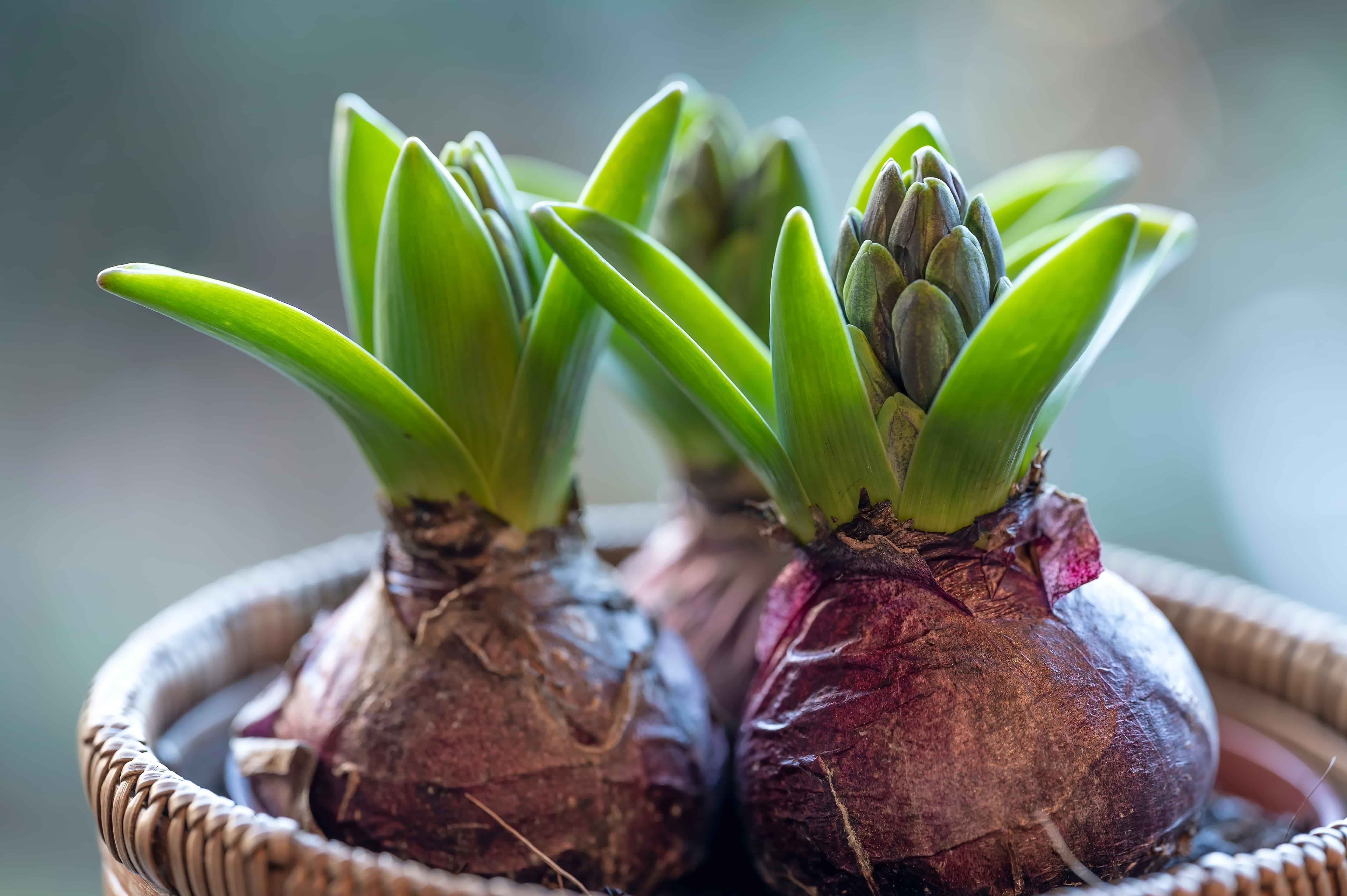
Flower Bulbs: How To Plant, Care For, And Grow Beautiful Blooms
a-z-animals.com
Flower Bulbs: How To Plant, Care For, And Grow Beautiful Blooms
Plants facts. Plant parts. Frontiers in plant science